
 Fertility issues affect many people, leading them to explore alternative therapies along with conventional treatments. Traditional Chinese Medicine (TCM) offers a holistic approach to fertility, focusing on the balance of body, mind, and spirit.
Acupuncture for Fertility Acupuncture, a key component of TCM, involves inserting fine needles into specific points on the body to regulate Qi (vital energy) and restore balance. For fertility, acupuncture targets issues like hormonal imbalances, stress, and poor blood flow to reproductive organs. Acupuncture impacts the hypothalamic-pituitary-ovarian axis, crucial in regulating reproductive hormones. Studies show it can significantly increase pregnancy rates in women undergoing in vitro fertilization (IVF) by enhancing the release of gonadotropin-releasing hormone, which improves ovarian function and boosts conception chances. Stress can negatively affect fertility. Acupuncture can reduce stress by regulating the autonomic nervous system and increasing endorphin production. Women receiving acupuncture report lower anxiety and depression levels, which often accompany infertility. Adequate blood flow to reproductive organs is essential for fertility. Acupuncture promotes vasodilation, improving circulation to the ovaries and uterus. Research indicates that acupuncture increases endometrial thickness in women undergoing IVF, potentially enhancing embryo implantation and pregnancy outcomes.
0 Comments
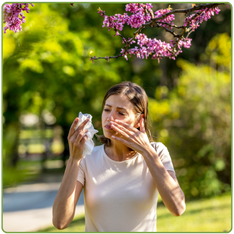 As the vibrant colours of spring emerge, so do seasonal allergies for many people. The sneezing, itchy eyes, and congestion can make enjoying the outdoors challenging. While over-the-counter medications offer relief, some individuals seek alternative therapies like acupuncture and Traditional Chinese Medicine (TCM) for a holistic approach to managing their allergy symptoms.
Acupuncture, a key component of TCM, involves inserting thin needles into specific points on the body to stimulate energy flow and promote healing. When it comes to allergies, acupuncture focuses on strengthening the immune system, reducing inflammation, and balancing the body's energy pathways, known as meridians. 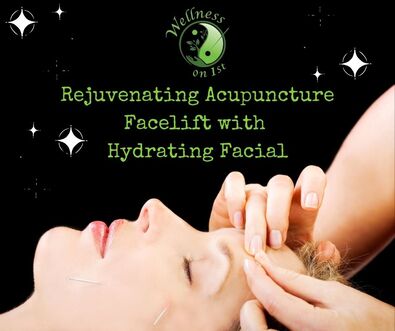 Indulge in the ultimate rejuvenating experience with our All-Natural Rejuvenating Acupuncture Facelift with Hydrating Facial, a harmonious blend of ancient wisdom and modern skincare. This exquisite treatment is designed to enhance your natural beauty while promoting overall well-being, using time-tested acupuncture techniques and a luxurious selection of all-natural ingredients.
Working together, our Dr of Acupuncture, Dr. Susan Newman, and our Licensed Esthetician, Sarah Donnelly, will guide you through a multi-step process that combines the principles of Traditional Chinese Medicine with the nourishing power of all natural ingredients. The Acupuncture Facial begins with a thorough consultation to understand your unique skin needs and wellness goals. We'll then tailor the treatment to address specific concerns, whether it's fine lines, uneven skin tone, or overall vitality.  As the vibrant hues of summer slowly fade into the golden embrace of autumn, we find ourselves at a pivotal juncture in the cycle of seasons. According to Traditional Chinese Medicine (TCM), autumn is a time of transition, a season where nature's energy begins to withdraw, much like the leaves falling from trees. It is associated with the Metal element and corresponds to the Lung and Large Intestine meridians, offering profound insights into how we can harmonize our well-being during this time.
Nourishing Yin Energy: The concept of Yin and Yang represents the balance of opposing forces. Autumn leans toward the Yin aspect, characterized by coolness, receptivity, and introspection. To maintain harmony, focus on nourishing your Yin energy. Incorporate seasonal foods such as pears, apples, and mushrooms into your diet. These foods not only support your Lung and Large Intestine meridians but also provide vital nutrients to keep you grounded and resilient during the season's shifts.  In the journey towards parenthood, many couples face the challenging road of infertility. The stress and emotional strain of this can be overwhelming. Traditional Chinese Medicine (TCM), specifically Acupuncture and Chinese Herbal Medicine, offers a holistic approach that has been gaining recognition as an effective and natural way to enhance fertility. Let’s delve into the world of TCM and how it can support individuals and couples on their path to conception.
 Temporomandibular Joint Disorder (TMJ) can be a distressing condition, causing jaw pain, headaches, and discomfort. An alternative and increasingly recognized treatment for TMJ is acupuncture, a traditional Chinese therapy that aims to alleviate symptoms and promote overall well-being. Let’s explore how acupuncture can effectively treat TMJ and provide relief from its challenging effects. Temporomandibular Joint Disorder (TMJ) can be a distressing condition, causing jaw pain, headaches, and discomfort. An alternative and increasingly recognized treatment for TMJ is acupuncture, a traditional Chinese therapy that aims to alleviate symptoms and promote overall well-being. Let’s explore how acupuncture can effectively treat TMJ and provide relief from its challenging effects.
Understanding TMJ TMJ or temporomandibular joint, connects the jawbone to the skull. This joint is vital for chewing, talking, and various jaw movements. However, stress, teeth grinding, misalignment, or other factors can lead to TMJ-related issues, causing pain and discomfort in the jaw, face, neck, and even headaches. Acupuncture's Role in TMJ Treatment Acupuncture, a centuries-old Chinese practice, seeks to restore balance in the body by targeting specific points with very fine needles. It is a well known therapy for both pain relief and relaxation benefits, making it a great choice for treating TMJ disorder.  In today's fast-paced world, where stress and anxiety have become almost synonymous with daily living, taking a moment to relax and unwind has never been more crucial. While various wellness practices aim to promote tranquility and balance, scalp massage stands out as an exceptional therapeutic technique that delivers both physical and emotional benefits. In this blog, we delve into the wonderful advantages of scalp massage, exploring its soothing effects on the mind and body
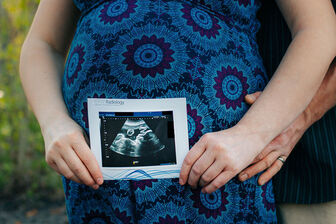 Having trouble getting pregnant can be really tough, and many people are looking for different ways to improve their chances. One option that's gaining popularity is acupuncture – yes, those tiny needles! But how can sticking needles in your body help with getting pregnant? Let's break it down in simple terms:
 Yahoo! It's Stampede time again. Are you ready for enough free pancake breakfasts and drinks to last till next year? After indulgence and celebration with alcohol, it's common to wake up feeling groggy & regretting that extra glass of wine or cocktail. While the liver is a remarkable organ that filters toxins from the body, excessive alcohol consumption can put a strain on its detoxification abilities. Fortunately, acupuncture offers a natural and effective method to support liver detoxification and promote overall well-being.  Are you struggling to breathe in Calgary today? We have a very poor air quality with the wind bringing the smoke from the Alberta forest fires into town.
Did you know that Acupuncture and TCM have been used for 1000’s of years to improve lung health? According to a 2012 Japanese study of COPD patients (Chronic Obstructive Pulmonary Disease), Acupuncture has been shown to release chemical messengers that dilate the airways, making it easier to breathe! |
Welcome to our Health and Wellness Blog!Our team at Wellness on 1st shares their knowledge and expertise on health and wellness, treatment options and more! Archives
June 2024
Categories |
 RSS Feed
|
1802 1st Street NW, Unit 201
Calgary, Alberta T2M 2T2  |
|
© 2024 Wellness On 1st
All rights reserved. |
In the spirit of respect and reconciliation, Wellness on 1st honours and acknowledges that we live, work, and play on the traditional territories of the Blackfoot Confederacy (Siksika, Kainai, and Piikani Frist Nations), the Tsuut’ina Frist Nation, the Stoney Nakoda Nations, the Métis Nation (Region 3), and all people who make their homes in the Treaty 7 region of Southern Alberta.